









We are Pragmatic Play
Pragmatic Play is a leading game developer providing player-favourites to the most successful global brands in the iGaming industry.
Powering up new possibilities of play through one single API, we offer a multi-product portfolio of award-winning slots, live casino, bingo, virtual sports, sportsbook and more, available in all major regulated markets, languages and currencies.
Driven by our persistence to craft immersive experiences and responsible thrills, our professional team consistently deliver best in class services to our partners worldwide with a dedication to creating games that players love time and time again.

Slots, Live Casino, Bingo, Virtual Sports, Sportsbook and more via a single API

Certified and licensed
in over 40 jurisdictions

Multi-award-winning Content

Mobile, desktop, 33 languages
and all currencies

Slots
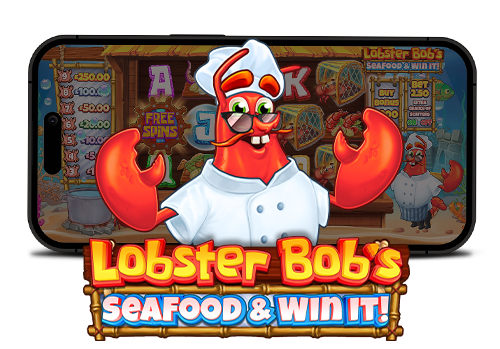
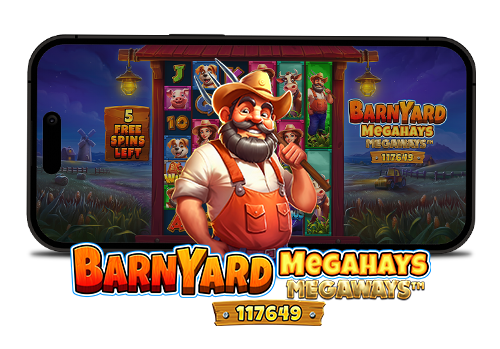
Our multi-award winning slots portfolio contains unique in-house content consisting of over 250 games, available in many currencies, 33 languages and all major certified markets.









Live Casino
Broadcast from a state-of-the-art, newly constructed studio, our live casino portfolio incorporates a wide selection of games, including Baccarat, Roulette and Blackjack.
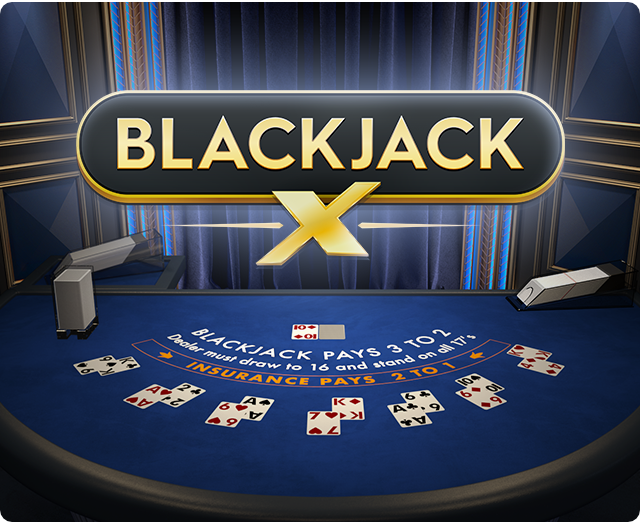
Blackjack X
Blackjack X includes all the features and procedures of a regular live Blackjack product such as multiplayer mode of up to 7 players, side bets, chat functionality, bet behind and the use of 8 decks with cutting card tracking and shoe reshuffle.
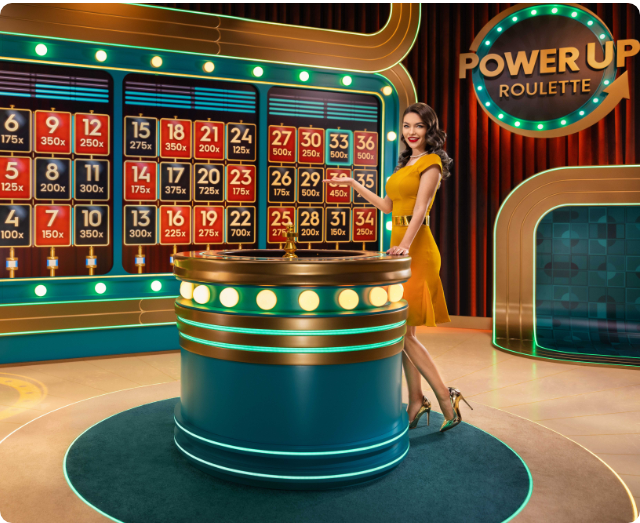
PowerUP Roulette
The PowerUP Roulette live casino game show is a highly anticipated take on the classic Roulette game, with up to five PowerUP bonus rounds providing additional chances to win.
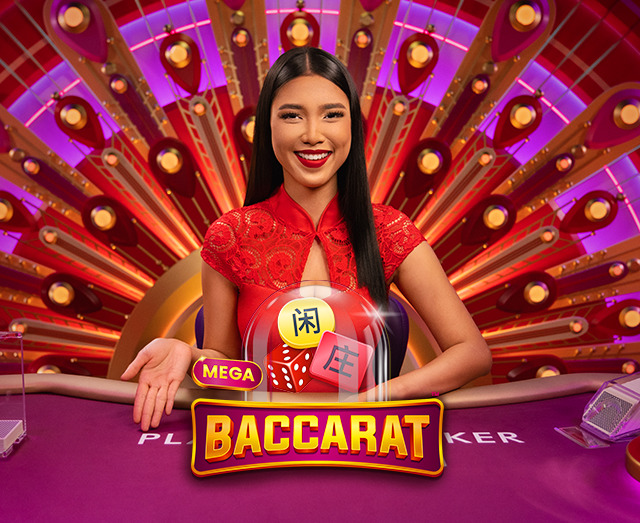
Mega Baccarat
Mega Baccarat Live Casino game show is a twist on the classic Baccarat game, providing players with the chance to increase their winnings. The game show features the Mega Round, which is initiated only if the outcome of the rolled dice is 8 or 9.




Bingo
Through a simple integration, Pragmatic Play’s bingo empowers online casinos with all the tools they require to deliver a game true to their brand, giving players a unique, fresh bingo experience in a familiar environment.

Diamond Dazzle

The Jackpot Room
Bingo Blast

Reels Room

Country Roads

Zoom Room

Boombox

Sweet Bonanza Bingo

Snowball Blast

Rock N Swing
News
More NewsLatest news and events

PRAGMATIC PLAY GOES LIVE WITH PIXBET FOR THE BRAZILIAN MARKET
The provider rolls out three of its main verticals with PixBet in Latin America
17th Apr 2024
PRAGMATIC PLAY TO RETURN TO BiS – SiGMA AMERICAS
The provider will attend this year’s BiS – SiGMA Americas at the end of April
9th Apr 2024
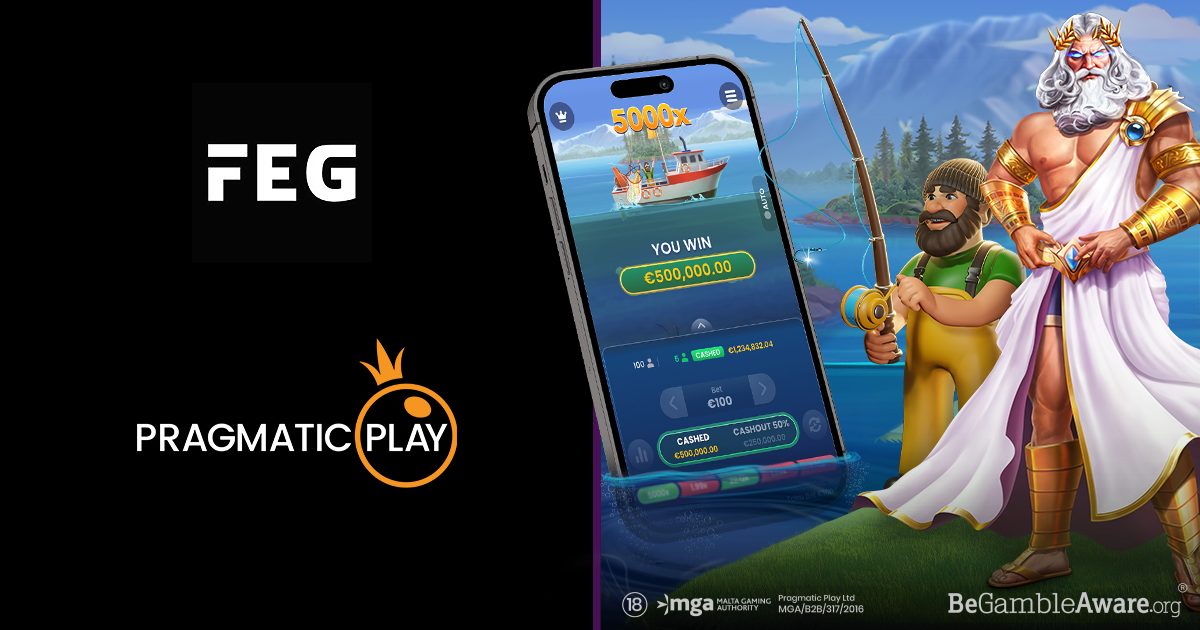
PRAGMATIC PLAY SLOTS LIVE VIA FEG IN CZECH REPUBLIC AND SLOVAKIA
The provider extends current agreement with Fortuna Entertainment Group (FEG) to supply online slots in Czech Republic and Slovakia
9th Apr 2024